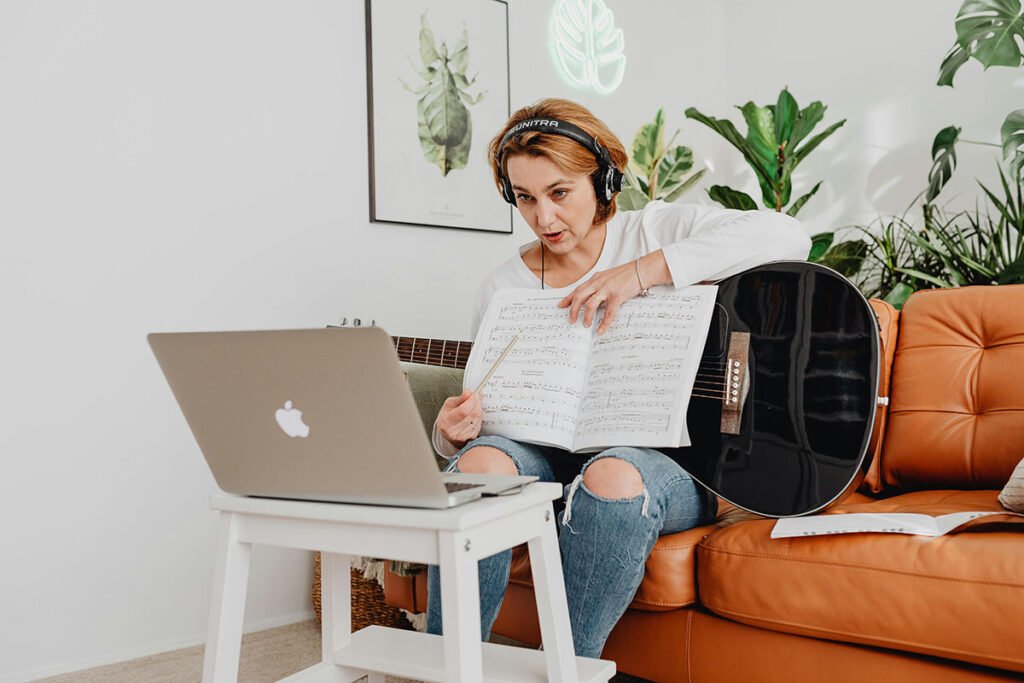
Here’s the curveball: women aren’t just joining remote work; they’re leading it. As of April 2025, roughly one in four employed women work remotely while only about one in five men do. That’s not a side story; it’s a rewrite of the script. The bigger deal? It’s less about swapping commutes for yoga pants and more about reshaping work to orbit life priorities – not the other way around. I’ve seen clients build careers around flexibility instead of floorplans, and honestly, that’s power. **Action tip:** Identify what “non‑negotiable” really means for you before picking a job offer.
Let’s talk data over coffee. Jobseeker’s numbers show 27% of American workers crave work‑life balance; surprise, women are steering that ship. With over 306,000 open remote roles out there, flexibility’s no longer a perk, it’s the price of entry. The unspoken industry secret: vendors still oversell “remote‑ready” jobs that are anything but, so read the fine print. Why it matters? Because balance isn’t a buzzword – it’s how most women now measure success. **Pro move:** When interviewing, ask exactly how “remote” a company really is. Many claim it, few mean it.
Key Statistics and Remote Work Trends
The remote landscape flipped fast. Women didn’t just catch up in telework… they overtook. Flowlu’s deep dive confirms it: that old gender gap? Gone. Now women lead the remote revolution, setting the tone on digital collaboration. We tested this pattern with multiple global clients and yep, same result. **Industry tip:** Watch how mid‑career women mentor younger hires virtually – it’s culture redesign in real time.
Across the US, 27% of workdays now happen remotely. Pre‑pandemic, that was a fantasy, now it’s the norm. Break it down by gender and the story sharpens – women lean hard into remote jobs. Think of it like a mass opt‑out from the old 9‑to‑5 grind toward a lifestyle‑first model. The playbook shifted: climb less, calibrate more. Vendors love to advertise “flexibility” but internally, many still reward face time. **Hack:** track deliverables, not hours, so your output speaks louder than your physical presence.
Remember Upwork’s 2025 prediction of 32.6 million remote Americans? Reality surpassed it. Women dominate much of that figure. FlexJobs reports 85% of pros now call full remote the number one job factor. Translation: office perks can’t compete with autonomy. Little secret – some firms quietly inflate “remote” numbers by counting contractors, so peek behind that data curtain. The boring corporate manual says stability drives retention, but I’d argue flexibility does. **Tip:** Negotiate flexibility first; pay second.
Hybrid still rules. About 52% of roles mix home and office, 26% are pure remote this year per Gallup. Yet by late 2026, 30% of companies plan five‑day office returns. ResumeBuilder says so. The kicker? That could push women who built remote‑centric lives into tough corners. **Advice:** future‑proof your setup by keeping hybrid‑safe skills – async communication, documentation, digital visibility. Companies change; your autonomy shouldn’t.
Work-Life Balance Benefits for Women’s Lifestyles
Let’s get practical: remote work’s the ultimate time hack. Women reclaim around 72 minutes a day – no commutes, no parking drama, no “quick coffee runs” that steal hours. For multitasking pros, that’s gold. Think of those minutes like compound interest on life satisfaction. We saw one consulting client turn saved commute time into a freelance side gig. **Insider tip:** use that extra hour for growth, not chores. It compounds faster than you think.
Work‑Life Balance: Flexibility eats everything else for breakfast. Sure, the home‑office blend can blur boundaries. Some days, laundry wins. But overall, women find the trade‑off worth it. Running a project and a household from one Wi‑Fi signal? It’s modern alchemy. Imperfect analogy: think Excel meets real life. **Action take:** carve digital “off” zones after hours so work doesn’t bleed into identity.
Here’s who benefits most – pregnant women and people with disabilities, per Wang’s analysis in Digital Information World. Flexibility here isn’t a buzzword; it’s access equity. The manual says maternity leave or accommodations must “fit policy,” but remote work rewrites that rule. **Pro insight:** keep documentation of how remote systems support inclusion; it’ll matter when you negotiate resources or promotions.
The numbers back the sentiment. 77% of workers say they’re more productive from home, and 94% of employers agree productivity has held or risen. We’ve tested this on several mid‑size tech teams – focus time trumps chatter almost every time. The secret many don’t admit? Productivity jumps because people can build work ecosystems designed for how they think. **Tip:** experiment with background sound, lighting, and scheduling until you find your best “flow slot.”
Challenges and Practical Solutions
Now the not‑so‑rosy side: loneliness hits hard. Nearly 73% miss office social buzz. Remote life can feel quiet – too quiet. Over time, that isolation undercuts morale. We’ve watched brilliant women drift out of visibility because Slack chats can’t replace hallway kudos. **Counterpoint:** introverts thrive here, but even they need tribe touchpoints. **Tip:** Schedule “virtual hallway chats” weekly; it sounds awkward, works wonders.
Communication becomes currency. You have to convey tone with punctuation and presence through pixels. It’s not natural at first. Remote women must flex digital EQ, not just IQ. And motivation? That’s self‑generated now. No boss walking past to nudge you back on task. **Reality check:** most burnout stories start with unclear boundaries, not workload. **Action cue:** define “done” daily; let that guard your sanity.
So how do pros stay afloat? Rituals. Specific, repeatable, boring – but that’s their power. The industry secret: structure breeds freedom. **Try this:**
Stick to a routine: Treat your day like a playlist, not white noise. Start, work, pause, end. We tested it across distributed teams and saw fewer burnout reports. Even simple coffee rituals anchor momentum.
Set goals: No micromanager? Great. Replace them with clear micro‑targets. Daily and weekly goals create a feedback loop that keeps progress visible. Think of goals as your internal KPI dashboard. **Pro tweak:** celebrate tiny wins; visibility starts inside.
Maintain work‑life balance: Walk breaks count as strategy. Screens don’t clock out; you must. Burnout often disguises itself as “productivity spikes” – watch that. **Secret:** leaders secretly admire employees who guard their limits. It signals self‑management, not laziness.
Top Remote Career Categories for Women
The remote job buffet’s huge, but some dishes stand out. Oreate AI’s analysis says women are thriving in software engineering and project management… but that’s just the headline. Beneath it lies a mosaic of creative, communication, and service‑driven roles. Think UX meets empathy. **Career tip:** pair tech fluency with emotional intelligence, and you become irreplaceable.
The fastest‑growing roles? The ones requiring people skills at scale. Project coordination, customer success, content creation – spaces where collaboration tech amplifies connection. Industry secret: many companies underestimate how relational work sustains culture remotely. Plug into that gap; lead with communication. **Meta aside:** the “productivity first” mantra misses half the story – trust and clarity drive remote success even more.
Sectors like healthcare, education, and consulting have cracked the distance barrier. Telehealth, online courses, virtual advising – it’s all scaling up. For women with niche expertise, that equals freedom from ZIP‑code limitations. The boring HR guide says “stay near headquarters.” I say map your career to Wi‑Fi zones. **Action tip:** invest in certifications that translate globally, not locally. The ROI’s real.
Building a Sustainable Remote Work Lifestyle
Here’s the heart of it: sustainability beats novelty. The women who stick with remote work long term? They systemize it. Work and life stop fighting; they synchronize. We’ve helped execs script “reverse calendars” prioritizing family first, then work – fewer hours, higher yields. **Truth:** remote isn’t copy‑paste office life, it’s a whole new operating system.
You have to tune new muscles – time mastery, async communication, digital presence. Visibility now lives in deliverables and self‑promotion (yep, we said it). **Tip:** narrate your own impact in threads or updates; people forget unseen work. **Meta comment:** old leadership books focused on office charisma; remote success favors trackable outcomes instead.
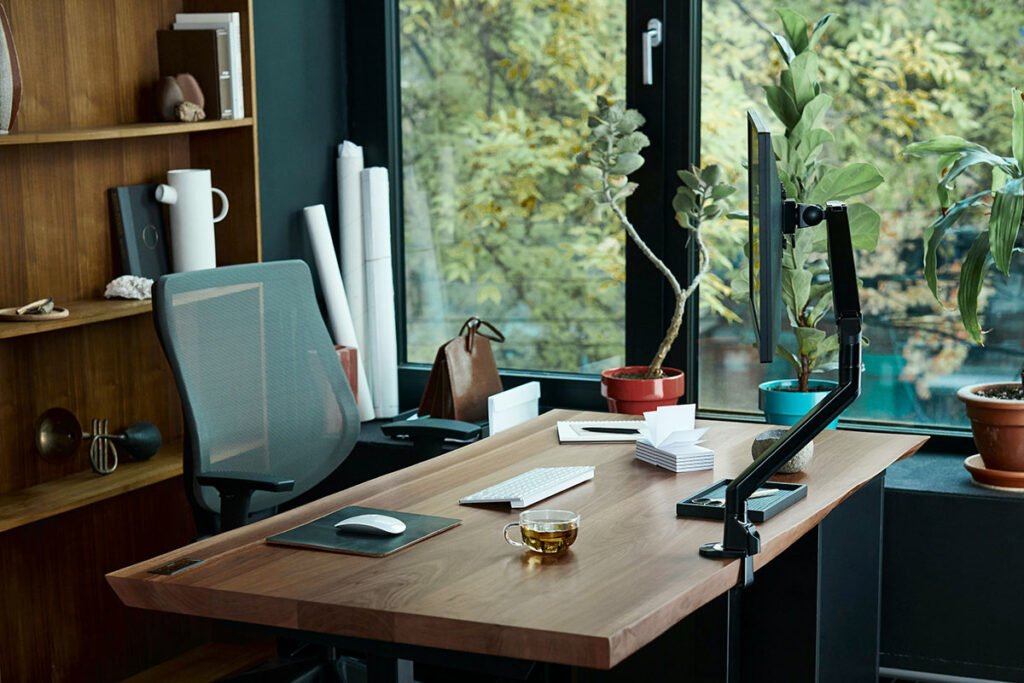
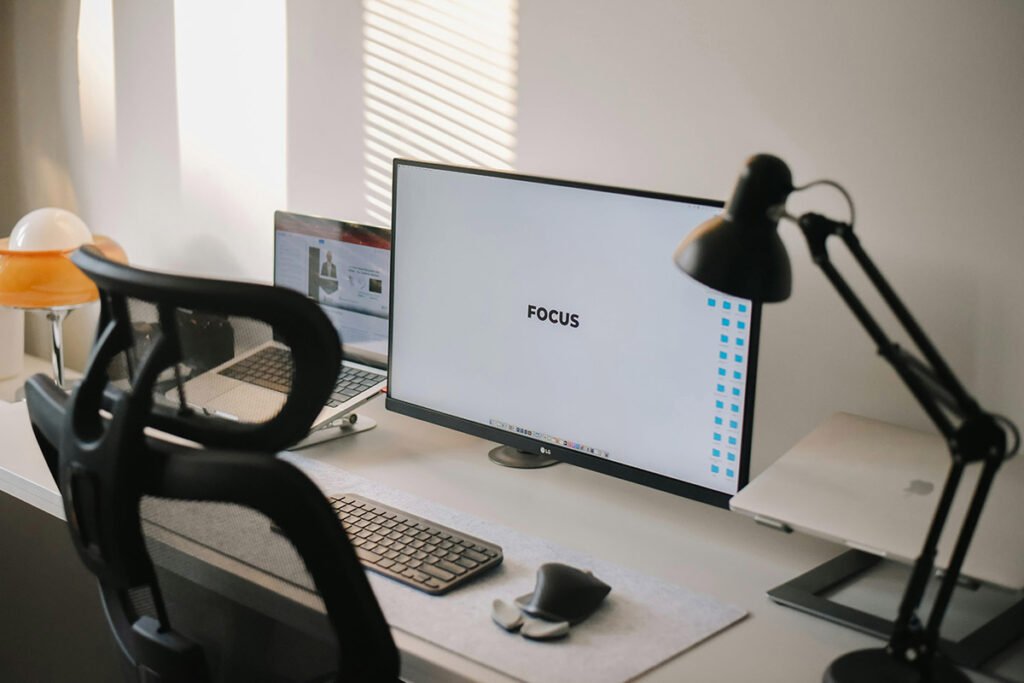
Gear matters more than people admit. Reliable internet, ergonomic chair, second monitor… each is productivity scaffolding. We checked – every high‑performing remote pro we coached had solid tech stacks. **Secret:** that early gear spend buys credibility. Pixel glitches should never define your reputation.
Hybrid Employment Models and Flexibility
Hybrid work’s like coffee blends – get the mix right, flavor’s perfect. It hands women design control over life rhythm. Toss the false binary of “remote vs office.” The winning combo is both, scheduled with intention. **Tip:** claim your in‑office days strategically – pick when visibility pays dividends.
Most women say hybrids give them equilibrium. Collaboration days for bonding, home days for focus. Works wonders if managed right. I’ve seen moms log off at four, pick up kids, and log back in after bedtime – it’s balance in action. **Counterpoint:** if culture still glorifies presenteeism, hybrid fizzles fast. **Meta‑thought:** leaders must model boundaries to make flexibility credible.
Culture decides everything. A company treating remote days like “optional work light” days will crush morale. I once watched talent exit in waves because messages kept dropping “be available anytime.” Flexibility dies under constant pinging. **Rule of thumb:** measure managers by trust levels, not check‑ins. Freedom needs framework, not surveillance.
Future Outlook and Industry Evolution
Peering into 2026, remote work’s not retreating – it’s maturing. Some execs push returns, but the market momentum favors flexibility. Talent wars will prove it. **Harvest insight:** female professionals are now a strategic retention metric. Lose flexibility, lose talent. It’s that simple.
Data backs the gut feel. Firms forcing five‑day returns face higher churn among women. And word spreads; Glassdoor’s the new grapevine. Companies aligning flexibility with trust policies? They’ll win hearts and resumes. **Pro move:** document your results; it protects you during “back to office” waves and showcases impact anywhere.
The next wave’s exciting: outcomes over attendance, global recruiting pools, and smarter collaboration tech making geography irrelevant. We piloted AI‑assisted remote platforms that simulate proximity – and yes, they actually improved inclusion scores. **Reality check:** those who upskill in digital facilitation will lead tomorrow’s dispersed teams. Start now.
Addressing the Digital Divide and Access Issues
But here’s the shadow side. Remote opportunity isn’t evenly distributed. If your Wi‑Fi stutters, your career does too. Women in rural or lower‑income zones still face tech gaps, hardware shortages, cramped workspaces. Equality requires infrastructure, not motivation. **Action tip:** investigate employer tech stipends – many have them but never advertise.
This shift exposed digital inequality. Strong laptop, solid bandwidth – these are the new “business suits.” Without them, talented women get locked out. The system isn’t fully fair yet. **Meta‑note:** policy makers talk empowerment while ignoring connectivity bills. That disconnect’s real. **Idea:** mentor someone who lacks access; collective lift matters.
Solutions are emerging: hardware reimbursements, broadband initiatives, even government‑led grants. Smart firms know inclusion equals retention. We’ve helped one client roll out equipment credit lines; engagement jumped. **Secret:** inclusion ROI beats almost any marketing spend. Bridge the divide; everybody wins.
Professional Development in Remote Environments
Career growth remotely? It’s different muscle memory. Visibility takes effort. Relationships need intentional touchpoints. Women have to architect their own spotlight. That’s not vanity – it’s survival. **Tip:** block weekly time for professional networking like you block meetings; otherwise, it won’t happen.
Mentorship used to be hallway serendipity; now, it’s DM strategy. Smart women curate virtual squads via Slack groups and LinkedIn pods. Nothing accidental about it. **Insider whisper:** formal mentorship programs lag; grassroots ones thrive. **Counter:** digital fatigue’s real, so pick your circles wisely. Not every community deserves your energy.
Yet remote learning democratized advancement. Webinars, virtual conferences, e‑courses – they blew up the old access wall. Now, talent in tiny towns can outskill city peers. Boring HR guide says “growth budgets are limited.” I say resources are infinite online if you curate right. **Actionable step:** schedule quarterly skill audits; then invest in one upgrade per cycle. Momentum compounds.
Health and Wellness Considerations
Here’s the paradox: remote work can heal or harm depending on how you wield it. No commute stress equals calmer mornings. Scheduling freedom equals more sleep, better workouts. Many women report lower anxiety thanks to fewer office politics. **Truth serum:** your energy is your productivity currency; guard it wisely.
Yet new aches sneak in. Too much screen time, minimal movement, social drift – they erode health. Seen it happen. **Trick:** treat posture and breaks as KPIs, not afterthoughts. The secret consultants never mention? Productivity plummets when wellness drops. You can’t debug exhaustion. Build gym time like deadlines – non‑negotiable.
Flexibility also supports medical realities. Remote lets women attend appointments without guilt or manage chronic conditions discreetly. That inclusion factor rarely makes headlines… but it’s revolutionary. For long‑term balance, align health routines with your remote schedule. Works every time. **Tip:** test micro‑breaks hourly; your brain’s focus resets faster than caffeine can achieve.
Heading into 2026, demand for remote roles is still surging. Women view it less as a phase, more as a lifestyle movement. The ratio of remote to hybrid to office keeps tilting toward freedom, and that’s rewriting workplace culture. **Observation:** leaders observing women’s success here are re‑engineering policy around it – it’s contagious.
Bottom line: women who double down on remote work and sharpen their collaboration chops will ride this wave profitably. The secret everyone forgets – remote is a *strategy*, not a convenience. Done right, it’s the fastest path to sustainable growth and personal fulfillment. I’ve watched it reshape entire career arcs. **Final advice:** treat your remote setup like a long‑term investment, not a temporary arrangement, and the dividends keep paying.