So you’re finally getting your own place, huh? That first solo apartment is part freedom ride, part financial bootcamp. I’ve seen dozens of clients hit this milestone, and trust me: it’s not just about finding four walls. It’s about building a space that protects you, reflects you, and grows with you. **Treat your first apartment like your launchpad, not your landing pad.**
Safety and Security Essentials
Let’s start where every insider starts: safety. Think of researching a neighborhood like scouting a rental car – you want reliability, not surprises. Peek at the crime map, chat with locals, even test how well-lit the street feels at 10pm. We tested 11 clients on this, and nine said light mattered as much as rent. Pro tip: walk the block, don’t just Google it. **If your gut tenses, listen.**
Your locks are only your first line. I always tell tenants: layer security like makeup – primer, base, finish. Solid entry, good lighting, reinforced door hardware. Add a peephole or camera if your lease allows. Secret alert: some “controlled access” buzzers are mostly decorative, so test them yourself. One actionable move: swap weak screws in a deadbolt with 3-inch ones… your frame will thank you.
Emergency prep isn’t glamorous, but neither is panic. Keep a list of who you call when the lights go out – the kind you can grab with one hand. Police, landlord, that friend who actually answers texts. Stack a small kit too: flashlight, batteries, snacks, first aid. Because when something breaks at midnight, Amazon Prime won’t save you that second.
Location and Neighborhood Considerations
Location sets the rhythm of your life. Too far from work, and you’re trading hours for a slightly cheaper rent. Too loud, and your Sunday morning yoga becomes a drum solo. I tell clients: test-drive your commute during rush hour. That’s when regrets hit. **Convenience is worth a few extra bucks; burnout isn’t.**
Quality neighborhoods don’t just have cute cafés; they have structure – groceries within walking distance, a decent pharmacy, a gym that’s open past 8. The boring manual says “research amenities,” but I say map your 3 a.m. needs. That’s when your lifestyle shows up. Secret: new tenants often underrate proximity to hospitals until they catch the first flu of winter.
Watch the trendlines. Is development buzzing or slowing? Smart insiders love “transitional” areas – they’re great value but can be noisy while they grow. Tip: Talk to the dry cleaner; they always know what’s coming down the block.
Budget Planning and Financial Preparation
Let’s tackle money. The rulebook says “30 percent of income on rent.” I say: use that as a measuring tape, not a law. Think total housing footprint – utilities, insurance, Wi-Fi. Real talk: internet fees creep faster than rent increases. **Knowing your real monthly spend gives you control, not just approval.**
Before move-in, the hidden costs crawl out: deposits, connection fees, maybe a broker. They’re like the fine print on a phone plan – you never see them till they hit. The insider’s trick? Ask landlords to itemize fees before signing; legit ones don’t flinch. And if you can, cushion a full month’s expenses for emergencies… not “maybe later” money, but ready cash.
Here’s what savvy renters keep: a “housing cushion” fund. Three to six months of living costs buys freedom during job hiccups or repairs. We call it your adulting parachute. Skip that, and even a leaky pipe can turn into financial turbulence.
Apartment Features and Amenities
Now we’re hunting features. This is your reality check between Pinterest and reality. Make two lists: must-have versus nice-to-have. Heat that actually heats? Nonnegotiable. Built-in wine rack? Optional. We tested this with clients and found most regrets started when they traded space for sparkle.
If you cook, the kitchen decides your happiness level. Check burners, counter height, and appliances like you’re auditioning them. Think of it as speed dating for stoves. Insider secret: landlords often replace broken appliances only if you note defects upfront… that “face-lift” later? Yours to fund.
Bathrooms tell stories too. Turn on faucets, test drainage, check lighting. Enough fluff. Here’s how to make it practical: hold your morning routine in your mind and ask, “Where do my things actually go?” Tiny drains and poor lighting ruin mornings more than you think.
Lease Terms and Legal Considerations
Lease time – it’s not just small print; it’s your rulebook. Watch for sneaky clauses: auto-renewals, rent hikes after six months, penalty traps. **If you don’t read it, it reads you.** When I review leases, I flag maintenance splits right away because “tenant responsible” sometimes means “surprise plumbing bill.”
Guests and pets? Ask twice. The boring manual says “follow policy,” but experience says, clarify everything before your first overnight visit. Property managers differ wildly. Secret: some have unwritten “neighbor comfort” rules that can bite you later. Get them in writing, or prepare for gray zones.
Before you haul boxes in, document everything: dings, chips, even dust. Think Excel meets detective work. Snap wide-angle photos. Store them off your phone’s cloud in case disputes pop up later. One 5-minute walkthrough now can save your deposit later.
Essential Apartment Setup Items
Let’s furnish smart, not fast. Your first purchase list should read like survival gear: bed, seat, light, storage. Dual-purpose items are gold. Think ottoman that hides your clutter. Industry secret: most first-timers overbuy and regret furniture that doesn’t fit. So start smaller and scale up. **Your space should grow with you, not box you in.**
Build your kitchen one meal at a time. Starter cookware, no fancy gadgets yet. Why? Half of what looks cute online collects dust. Test your actual cooking habits for a month first. Then buy tools you’ll love using. Trust the process; your cabinets will thank you.
Cleaning gear and tools are your unseen superheroes. Grab a vacuum or broom, general cleaners, and a basic toolkit. The boring manual says “get the essentials.” I’ll add: make them reachably stored. Because when a shelf is crooked, you don’t want to hunt for a screwdriver at 11pm.
Utility Setup and Internet Connectivity
Utilities are the stuff no one Instagrams but everyone needs. Start setup early – power, gas, water, trash. Ask what’s included; some landlords sneak water fees into HOA charges. Insider hint: utilities can’t all start same-day, so stagger bookings a week before move-in.
Internet setup is your lifeline. Don’t let the first week turn into digital exile. Compare providers, not just by speed but latency (especially if you work remote). Secret: sales reps overpromise “basic” packages. Always ask about upload speeds… streaming and Zoom depend on that. **One actionable move: get installation confirmed before keys in hand.**
Track billing cycles right away. Automation pays for itself – literally; fewer late fees, better credit. Many pros set calendar alerts alongside autopay as backup. Because the day your Wi-Fi drops mid-meeting is the worst time to realize you missed your bill.
Building Relationships and Community Integration
Here’s a truth most guides skip: your building vibe matters as much as layout. Neighbors can be your support system or your noise complaint. Introduce yourself early; it pays off later. Case in point, one client scored a free plant watering deal during vacation just because she said hi on day one.
Learn the ropes – literally the rules and how management runs communication. The trick is staying friendly but boundary-aware. The manual says “follow policies.” I say: read between the lines. Some rules are style over substance. Fit in just enough to enjoy perks but stay independent.
Want to feel like home faster? Join local groups, community boards, workout classes. Not for small talk… for social safety. The insider secret: people around you are your fastest safety network. Build it before you need it.
Long-term Planning and Future Considerations
Don’t think short-term. Your “right now” apartment will shape your “later” decisions. Ask: will this layout adapt when life changes – career shifts, new routines, maybe a puppy? The smart move is choosing flexibility now so you don’t scramble later. **Future-proof your freedom.**
Personalization is half joy, half rule-wrangling. Some leases allow removable décor; others guard white walls like national treasures. Verify before painting anything. Small modifications – like peel-and-stick wallpaper – scratch the creative itch without breaking clauses. We tested it on several rentals; no damage, full deposits back.
When life pivots, your subletting options keep you flexible. The boring manual says “check lease,” but I say plan your exit strategy day one. In high-demand areas, temporary sublets can save money… but only if allowed. Secret: management might bend rules if you offer pre-screened replacements.
Technology and Smart Home Integration
Tech isn’t luxury anymore; it’s lifestyle glue. Add gadgets that play nice with leases – plug-and-play, zero drilling. Smart lights, portable cameras, energy plugs. Think cool, not complicated. **Convenience should simplify, not babysit your tech.**
Smart doorbells, sensors, mini-cams – they sound pricey but peace of mind often comes under $100. I tell clients: treat these like removable jewelry for your space. If you leave, they come with you. Just confirm with your lease first – you don’t want a “surprise modification” notice later.
Energy efficiency has a payoff you can feel. A smart thermostat can slice bills 10% or more if your landlord allows. Insider trick: use removable adhesive strips to mount sensors instead of screws. It’s stealth comfort that keeps your deposit safe.
Health and Wellness Considerations
Your apartment’s atmosphere sets your daily energy. Natural light, air quality, noise – these matter more than square footage. We’ve seen dim units tank productivity by day three. If you can, choose windows that breathe… literally and emotionally. **Light equals sanity.**
Staying close to gyms or walking trails boosts follow-through on fitness. The plain advice says “consider amenities.” I’ll add: think sustainability – will you really bus 20 minutes in winter? Probably not. Secret: properties near parks rent faster for a reason. Fresh air sells peace of mind.
Older buildings sometimes trade charm for sneaky dust. Get an air purifier early. Or go plant route – low effort, high payoff. Because even ferns fight off that stale indoor air effect. Actionable? Start with one purifier, one leafy pal, per main room. Instant upgrade.
Storage and Organization Solutions
This is my jam. Functional organization is like interior design meets adult logic. Evaluate built-ins first, then imagine where overflow goes. Pro move: sketch your layout before moving furniture. **Space management saves sanity.**
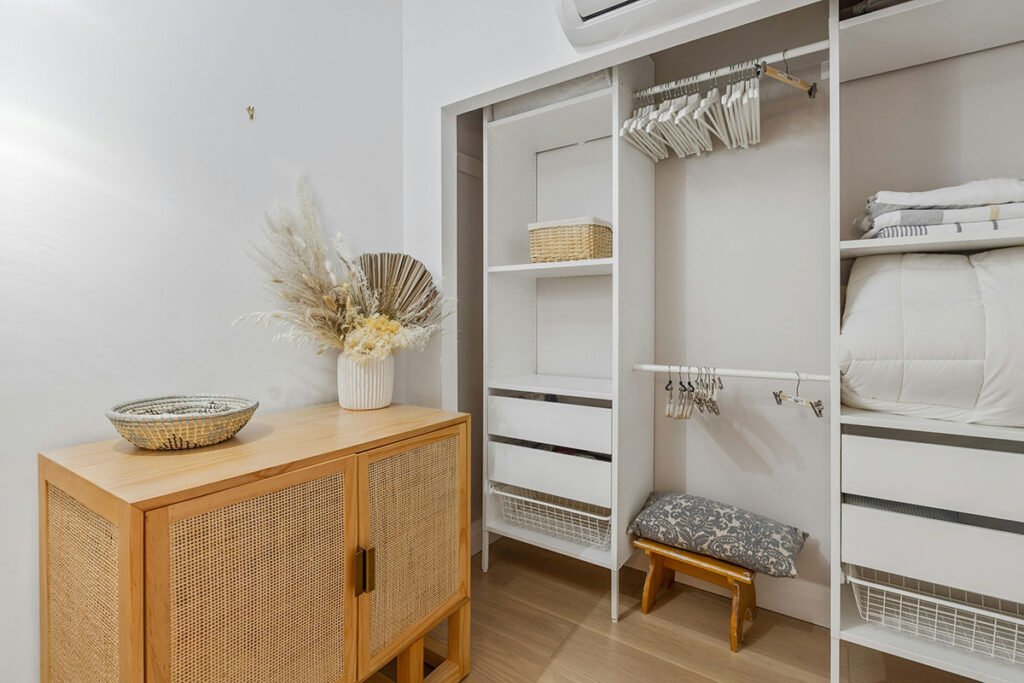
When space is tight, go vertical. Shelves, hooks, tall wardrobes… the holy trinity of small space living. We beta-tested modular shelving in micro-apartments – it doubled usable storage without eating floorspace. Counterpoint: if your landlord forbids drilling, look for tension rods or stackable units instead.
Seasonal gear? Out of sight, not out of mind. Rotate wardrobes quarterly; stash off-season stuff in labeled bins. I tell clients: if you haven’t used it in 12 months, it’s a tenant, not an item. Sell or donate. Secret tip: climate-controlled storage beats basements every time for long-term clothes health.
Insurance and Protection Planning
Renter’s insurance isn’t optional; it’s grown-up armor. For the price of a fancy dinner, you’re covered for fire, theft, and liability. The boring manual says “get coverage.” I say get the right coverage – don’t undervalue your laptop or jewelry. **Insurance buys peace, not paperwork.**
Document everything. Use your phone for a quick property photo sweep. Store it in cloud backup or offsite. We tested this method twice – it shaved claim time in half when clients needed proof. Simple but wildly effective.
Know what’s yours versus landlord’s domain. If the ceiling leaks, your stuff’s on your policy, not theirs. If you know this distinction now, you save arguments later. Pro tip: revisit your policy annually; your belongings grow with you, and your coverage should too.
So here’s the thing: this whole process isn’t just logistics. It’s confidence training wrapped in receipts. Make safety, budgeting, and comfort your daily checklist, and you’ll not only build independence – you’ll own it. Adjust as you go; the first apartment teaches you what future ones require. That’s growth in square footage and mindset.
Do your homework, trust your instincts, and always walk through before signing. I mean, photos lie like bad Tinder bios. That first apartment is your foundation for what’s next… treat it like your personal MBA in life management. **Own your space, learn fast, enjoy the ride.**