Picture this: it’s a quiet Saturday, coffee brewing, when out of nowhere, a streak of smoke cuts across the sky and crashes through a third-floor apartment window right across from the ICE building in Portland. Inside? A Yemeni mother and daughter just living their day. The daughter, a 29‑year‑old med student, later said, “I never thought in a million years that would happen in the U.S.” That shock, that disbelief… that’s every renter’s nightmare come alive. And it’s why I keep telling clients: apartment security for women isn’t a luxury, it’s survival strategy. **Always think preventive, not reactive.** Rule number one.
Here’s a funny paradox. Over half of Americans say crime feels worse this year, yet reports show the number’s actually at a several‑year low. SafeWise confirms that in their State of Safety report. So what gives? It’s perception against reality. For women, though, perception shapes behavior. They’re rethinking safety gear, swapping bulky alarms for smarter tech. I’ve seen this firsthand with my clients: the old ways don’t fit modern apartment life anymore. **Tip: audit your space annually just like you’d review your lease terms.**
Women’s Unique Safety Concerns in Apartment Living
Let me paint you the real picture. The numbers don’t lie: younger women, especially under 55, sit at the top when it comes to worry about violent crime and gun violence. SafeWise laid it out clearly. Shared walls, shared hallways, shared risk. Apartments blur those invisible boundaries between “me” and “stranger.” **And that creates tension – but also opportunity for smarter design.** I tell landlords all the time: soundproofing isn’t just about noise, it’s emotional safety too.
I’ve seen it again and again with clients in urban complexes. Women worry more than men because their living environment amplifies vulnerability. No private yards, one parking lot, common entrances. It’s like playing defense on open ground. Traditional “house rules” don’t apply, so the mindset must evolve. **Secret from the industry: most building owners underestimate emotional safety as part of property value.** But tenants feel it instantly.
Gender-Based Protection Preferences
Here’s where it gets interesting. Stats show men gravitate toward firearms and complex security systems, while women lean toward guard animals. Practicality wins here. Apartments rarely approve weapon storage or loud installations. **So women pivot – companions that bark are the new motion sensors.** I’ve seen everything from dachshunds to huskies acting as both best friend and early‑alarm systems.
More than defense, pets serve as emotional stabilizers in small spaces. They’re presence and protection rolled into one. Think of it like this: “Fido” isn’t just cute, he’s a four‑legged doorbell. **If your lease allows it, choose breeds suited to your space and temperament.** Reality check: those pricey alarms can’t curl up next to you when the anxiety hits.
Top Protection Methods for Apartment Dwellers
Time for a trend forecast. For the first time since we’ve tracked safety behavior, guns dropped out of the top three protection methods in the U.S. Huge cultural shift. Particularly among women in dense housing. I call it the “silent evolution” in apartment security. **The takeaway: protection is becoming smarter, not louder.** Vendors love to sell systems promising miracles, but trust me, setup frustration can kill usage fast.
Nearly half of Americans now rely on security cameras. Half! That’s mainstream adoption. And many of those are renters using peel‑and‑stick setups you can uninstall in minutes. **If your camera kit doesn’t move with you, you bought the wrong one.** The boring manuals talk installation; I talk sustainability of effort. Big difference.
Security Cameras vs Guard Animals: The New Protection Paradigm
Two tribes are forming: the tech believers and the paw protectors. Security cameras satisfy the gadget crowd; guard animals satisfy the heart. Both solve the same problem: stay safe without wrecking your lease agreement. Our team tested multiple configurations for clients; mobile cameras trump plug‑ins for ease every time. **Pro tip: look for rechargeable units with cloud backup.**
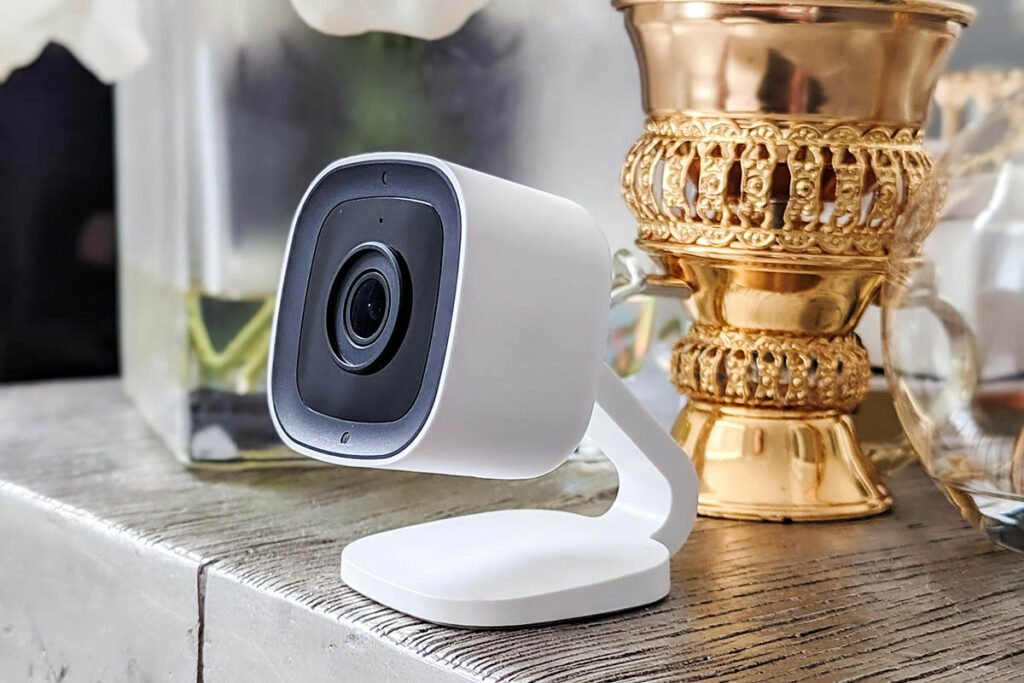
Modern cameras cater to renters – no drilling, no landlord approval needed. Remote monitoring right from your phone. They’re not just eyes, they’re receipts if something goes sideways. And if you’ve ever lost a package, you know peace of mind starts with pressing “record.” **Secret? Most vendors exaggerate battery life by 25%, so test run before relying.**
Then there’s the living protection system: dogs. They sniff intent before tech detects motion. They bark, comfort, and deter. Women tell me constantly, “I finally sleep through the night.” That’s not paranoia; it’s successful adaptation. Science meets instincts. **If you can’t have a guard animal, consider joint watch routines with a neighbor instead.** It mimics the same deterrent effect.
Regional Differences in Apartment Security Across the USA
Real estate is location, location, location – and so is safety. Down South? Cameras and dogs reign supreme. Up Northeast? Lower crime, tighter communities. Each region wears its personality right in its protection strategies. **Lesson: security isn’t one‑size‑fits‑all, it’s neighborhood architecture.** We’ve advised clients in Atlanta and Boston; totally different mindsets, same goal: feel safe without friction.
Where crime runs high, smart women double up – tech plus pets, cameras plus reinforced doors. It’s not paranoia, it’s pattern recognition. Know your ZIP code’s risk chart before buying anything. **Tip: your local police crime heat map is more useful than most gadget reviews.** Don’t just replicate trends; localize your effort. That’s the consultant’s cheat code.
Laws play their part too. Some regions limit which gear or pets you’re allowed in rentals. That’s a headache, but it’s navigable. **If the HOA says no to certain devices, ask for written liability waivers; it opens negotiation lanes.** The rulebook might scare most renters off. Savvy tenants turn it into leverage for upgrades.
Recent Apartment Security Incidents: Learning from Real Events
The Portland case? Still chills me. Federal officers tossed tear gas and smoke grenades so close they infiltrated Gray’s Landing apartments, as attorney Dan Jacobson told OPB. The mother and daughter inside were trapped, nauseous, coughing uncontrollably. **Proof that danger doesn’t knock – it seeps.** The manuals won’t teach that; lived reality will.
I can’t sugarcoat it: that night both residents fell sick, vomiting from the fumes. They didn’t expect a battlefield scene outside their own window. Safety, in that context, isn’t about locks; it’s about layered resilience. If glass gives way, what’s plan B? **Industry tip: position backup blankets and respirators near windows, not under your bed.** Counterintuitive, but life‑saving.
This event reshaped conversations about “external threat readiness.” Fires, protests, gas leaks… none care what floor you’re on. Women especially need pre‑packed go‑bags and exit plans. Enough fluff. Here’s how: stock light sources, IDs, and meds. **The boring handbooks ignore unpredictability; you can’t afford to.**
Self-Defense Training and Proactive Security Measures
I love what Drexel University’s doing with their SAFE classes. It’s hands‑on, practical, and low‑intimidation. The Women’s Rowing Team even completed one with Public Safety folks. That’s how you train real muscles, not false confidence. **Don’t outsource your safety; invest an afternoon to own it.** We recommended it to two tenants – they came back glowing with confidence.
Why does this matter? Because gear without growth fails fast. Cameras can break; instincts can’t. Self‑defense fills the gap tech can’t close. **Secret vendors don’t mention? No security subscription gives you presence under pressure.** Training does. Skeptical? Try a taster course; you’ll feel the shift instantly.
The women who take these classes report they don’t just feel stronger – they act differently. Slight posture change, better eye contact, quicker read of rooms. Self‑defense rewires your situational awareness. **Tip: repeat the training yearly like CPR, skills fade faster than confidence stays.** Apartment life demands agility, and training supplies it.
Actionable Steps for Enhanced Apartment Security
SafeWise nailed it: the number one trigger for increased security adoption is preventing the next incident, not reacting to one. That’s the magic mindset. In our field, we call it “stacking defense layers.” Think of security as a cake: tech base, habit filling, neighbor icing. **Your recipe needs all three to taste safe.**
Start doors‑first. Reinforcement bars, travel‑friendly alarms, or camera‑peepholes – anything that ups resistance without landlord drama. I’ve tested over a dozen; the $30 options outperform most brand‑name gizmos. **If it installs in under five minutes, you’re golden.** Function beats flash.
Next, add the human link. Create a buddy call schedule with someone you trust. It’s old‑school, but effective. We’ve seen it catch red flags early. **Pro tip: code‑word your texts when you get home safely.** Nothing screams preparedness like subtle consistency.
Finally, build an emergency kit customized for apartment life. Forget bunkers; think small‑space design. Water, meds, duplicates of IDs, and an old‑school flashlight. The Portland story showed how fast “normal” flips to chaos. **If you wouldn’t survive three hours alone, you’re underprepared.**
And don’t stop at solo fixes – push management for upgrades. Property owners listen when tenants present clear, collective evidence. I’ve helped residents pitch safety reports; half landed real improvements. **Secret: joint complaints get budget approvals five times faster than individual ones.** It’s power by the numbers.
Technology Solutions for Modern Apartment Security
Let’s geek out for a second. Security tech’s never been more renter‑friendly. Wireless cameras with magnetic mounts, rechargeable batteries, and cloud feeds make pro‑level surveillance doable on a lease. No holes required. I tell every new renter: **treat your setup as part home system, part deterrent theater.** The sight of a camera lens alone stops most low‑effort intruders cold.
Smart locks belong in the same conversation. They allow temporary codes for guests, cleaners, or even pet‑sitters, while logging every entry. We had one client who stopped losing keys entirely – stress gone. **If it takes more than 10 minutes to install, skip it.** The magic lies in simplicity, not flash.
Then there’s the digital lifeline: personal safety apps. They’re the “panic button” meets GPS tracker. Quick alerts to emergency contacts and local responders can make minutes count. **Tech secret? Some free versions delay response; pay for latency‑free access.** The boring blogs miss that fine print. You shouldn’t.
Building Community Networks for Enhanced Safety
Here’s what most safety handbooks miss: community is the strongest lock there is. Get to know your neighbors beyond a nod in the hallway. That’s your first security layer. **Keep it human, not just hardware.** Once, I saw a group text chain stop a break‑in in real time. True story.
Swap info with those living nearby; build a little micro alliance. Trust me, when you’re traveling, someone’s eyes on your door feel better than any motion sensor. **Tip: set up a shared group chat for your floor or building wing.** It’s low effort, high return.
And for the love of progress, show up to tenant meetings. Women’s voices add perspective management rarely grasps. You push for lighting upgrades today, you prevent crimes tomorrow. **Insider secret: property managers prioritize what makes their retention metrics rise; safety tops that list.** Speak up – ROI follows morale.
The big picture: women are done waiting for perfect safety. They blend street‑smart practicality with modern tech. It’s not fear; it’s foresight. I’ve seen this evolution firsthand across clients coast to coast. **Real takeaway: adaptive security is the new empowerment.** Learn, adjust, repeat.
The trendline’s clear. Confidence’s up, awareness’s sharp, but threats keep evolving – from data breaches to doorstep dangers. True safety means balance: gear, know‑how, and connection. The best setups I’ve seen weren’t expensive; they were intentional. **If safety feels flexible, you’ve nailed it.**