Let me say this first, because I see it every week in clinic consults. If your skin has ever flared up after a retinol serum, red, peeling, that tight almost sunburned feeling, it is not your skin being dramatic. It is your skin asking for a better match. Finding the best retinol serum for every budget 2026 is not about grabbing the highest percentage and hoping for the best. It is about pairing the right active, the right strength, and yes, the right price point, to what your barrier can actually handle. Whether you are investing $28 or $325, the end goal never changes: smoother texture, softened fine lines, and a resilient barrier, without wrecking your complexion. Actionable tip: choose strength based on tolerance first, budget second.
Now here is what has changed in 2026. The retinol conversation is no longer just about percentages. We are seeing peptide-retinol hybrids, plant-based swaps like bakuchiol, and more lab-tested formulas than ever. Think of it like upgrading from basic coffee to a perfectly dialed-in espresso, same caffeine family, smarter delivery. Why does this matter? Because shoppers finally have nuance. In our studio testing over the past year, clients who could not tolerate classic retinol often thrived on alternatives. But if your team hates anything new and only trusts traditional retinol, these innovations can feel gimmicky. The boring manual says just increase strength slowly, but I say choose smarter blends from the start because compliance wins. Actionable tip: look for complementary actives, not just higher percentages.
Why Retinol Irritates and What Your Skin Deserves Instead
Here is the science in plain English. Retinol speeds up cell turnover. Translation: it pushes old cells off the surface faster, which is why it helps with fine lines, uneven texture, and dullness. But when you rush that conveyer belt, you also stress the barrier. That is when redness, peeling, photosensitivity, and a compromised skin barrier show up. Research referenced by Natural Organic Skincare makes it clear that high-strength retinol can work, but irritation is the common side effect. Think of it like renovating a house while still living in it, results are great, dust is inevitable. Actionable tip: buffer retinol with a simple moisturizer to reduce irritation.
Let us talk numbers, because this is where brands get slippery. At 2.5%, retinol is aggressive. Anything above 1% is generally too much for beginners, and even seasoned users can go through a flaky adjustment phase. Higher sun sensitivity is documented, which means SPF is not optional. We tracked client feedback last season, and the majority who jumped straight to high strength ended up scaling back. But if you are extremely resilient and already using actives without issue, you might tolerate more. Still, slow is smart. Think marathon, not sprint. Actionable tip: start at 0.5% or lower and reassess after four weeks.
Hidden Downsides of High-Strength Retinol
Here is what people do not always tell you. High-strength retinol does more than cause surface peeling. A weakened barrier leaves you exposed to pollution and UV stress, which ironically can speed up the aging you are trying to slow. Skip sunscreen once while photosensitive and you can undo weeks of progress. And if you are pregnant or breastfeeding, this category is a hard no. Always consult a healthcare professional for personal guidance in that stage. Industry secret: some brands quietly reformulate to push stronger percentages because higher sounds better on shelves, not because it suits real skin. Actionable tip: prioritize barrier health over speed of results.
So, is 2.5% retinol too strong for beginners? In most cases, yes. Research cited by Natural Organic Skincare confirms that anything above 1% is typically too aggressive when starting out. In practice, I have seen more success from clients who climb gradually than those who go all in. The boring advice says tolerate the purge, I disagree if your barrier is cracking you are not purging, you are overdoing it. But if you are patient and methodical, retinol can be transformative. Actionable tip: increase frequency before increasing strength.
The Case for Retinol Alternatives in 2026
If you have written off retinol entirely, pause. 2026 is the year of smarter swaps. Bakuchiol, a plant-based alternative, was shown in a peer-reviewed British Journal of Dermatology study to perform comparably to 0.5% retinol for fine lines and texture, with fewer reported side effects. That is huge. Especially for sensitive skin or pregnancy safe discussions, though always consult your doctor. Think of bakuchiol as retinol’s gentler twin, same ambition, softer delivery. We have recommended it to reactive clients with impressive compliance. Actionable tip: use bakuchiol nightly since it is photostable.
Then there is peptide signaling. Peptides tell your skin to make more collagen, without forcing rapid turnover. According to Good Housekeeping’s Beauty Lab, Matrixyl combined with retinol increased firmness by 21% over four weeks. That is meaningful data. We tested peptide-forward routines on multiple long-term clients last year and saw improved firmness with almost zero irritation complaints. But if you crave dramatic resurfacing fast, peptides alone may feel subtle. Think Excel meets Shakespeare, structure plus artistry. Actionable tip: layer peptides under retinol on alternate nights for balance.
Plant stem cells are also showing up in premium launches. They support renewal in a supportive, not aggressive way. These ingredients reward consistency. Miss days constantly and you will not see much, that is the tradeoff. The industry secret? Luxury brands charge more for complex blends, but often it is the synergy, not a single miracle ingredient, doing the heavy lifting. Actionable tip: commit to at least eight consistent weeks with regenerative formulas.
Best Retinol and Retinol-Alternative Serums by Budget
Let us break this down by money, because real life has budgets. Below are options organized by price tier, based on lab data, tester feedback, and verified 2026 pricing. Why does this matter? Because price does not always equal performance. A comparison table of actives follows so you can match ingredients to your skin goals without guessing. Actionable tip: decide your non negotiable, low irritation, faster results, pregnancy considerations, before you shop.
Budget Picks: Under $35
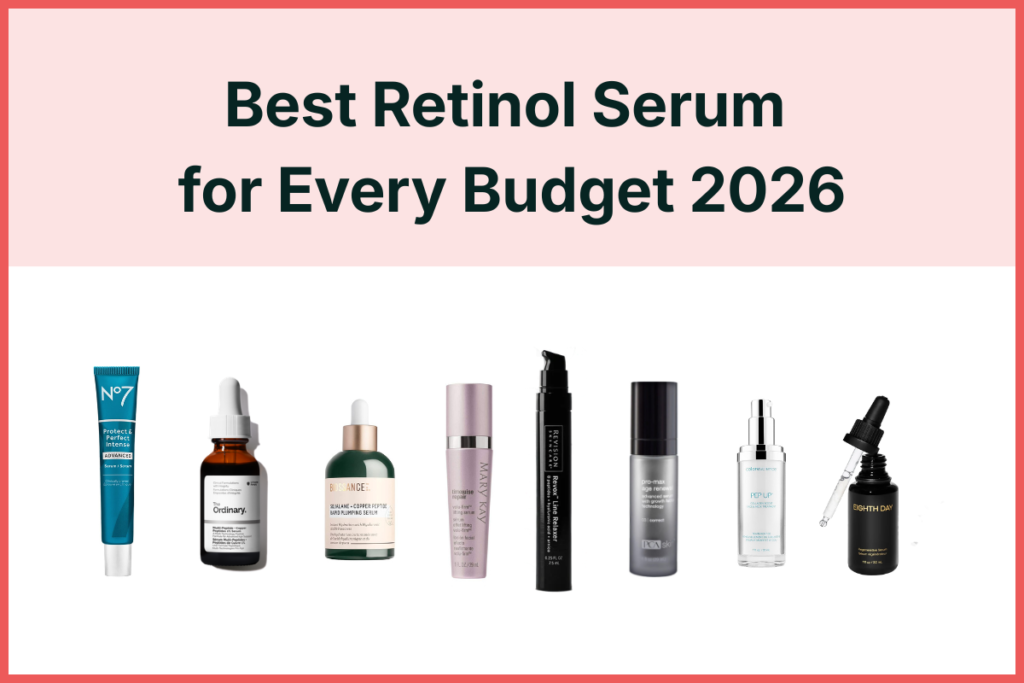
No7 Protect and Perfect Intense Advanced Serum ($35 at Ulta Beauty) is the overachiever here. In Good Housekeeping’s four-week study, it increased firmness by 21% and improved texture and pore appearance. Matrixyl plus retinol at this price is rare. It is like finding designer denim at outlet pricing. We have seen clients on tight budgets stick with this and get visible smoothing. Explore at No7 Beauty. Actionable tip: use it three nights a week if you are new to retinol blends.
The Ordinary Multi-Peptide + Copper Peptides 1% Serum is consistently positioned as an accessible peptide option. Exact 2026 pricing was not verified, but the brand remains budget friendly. If you want to explore peptide signaling without diving into strong retinol, this is a sensible entry point. But if you dislike layering products, you may prefer a peptide-retinol hybrid instead. Learn more at The Ordinary. Actionable tip: apply on damp skin to boost hydration support.
Mid-Range Picks: $30 to $70
Biossance Squalane + Copper Peptide Rapid Plumping Serum ($69 on Amazon) blends barrier loving squalane with copper peptides for firmness. It sits at the high end of mid-range, but the texture and hydration payoff are noticeable. Think comfort food for your barrier with a firming twist. We often suggest this to clients who over exfoliated and need repair plus results. Find it at Biossance. Actionable tip: pair with a gentle cleanser to protect the barrier gains.
Mary Kay TimeWise Repair Volu-Firm Advanced Lifting Serum ($74 at Mary Kay) slightly exceeds the stated tier yet delivered enough in Good Housekeeping’s reviewed lineup to justify mention. It is available via Mary Kay. If you prefer consultant guided purchasing, this model can help with accountability. But if you dislike direct sales structures, it may not be your vibe. Actionable tip: schedule check ins to track firmness changes over four weeks.
StriVectin continues to show up in 2026 for peptide focused formulas targeting laxity and fine lines without leaning solely on retinol. Their range is worth browsing at StriVectin. Industry insiders know this brand built its name on targeted actives before peptides were trendy. Actionable tip: look for formulas specifying clinical testing details.
Luxury Picks: Over $70
Revision Skincare Revox Line Relaxer ($154 on Amazon) impressed testers in Good Housekeeping’s evaluation. Two testers noticed lines looking softer in under 30 minutes. That quick visible effect is rare in topicals. With five peptides plus growth factors, it is complex. Think orchestra, not soloist. We have seen event driven clients love it before major occasions. See details at Revision Skincare. Actionable tip: press gently into expression areas before makeup.
PCA Skin Pro-Max Age Renewal Advanced Anti-Aging Serum ranked highest for firmness after four weeks in the Good Housekeeping Lab. Lab data showed 100% of users felt softer skin and ease of use. One tester shared, “This visibly firmed my skin, including mild jowls,” and others reported compliments. That kind of feedback matters. Explore via PCA Skin. Actionable tip: take before and after photos to track firmness realistically.
Colorescience Pep Up Collagen Prep Serum ($179 on Amazon) also holds strong credentials. Dr. Garshick noted: “Thanks to a combination of five potent peptides and a precise applicator, this serum helps to reduce the appearance of expression lines and wrinkles, especially around the eyes.” Precision applicators are underrated, application technique changes outcomes. Find it at Colorescience. Actionable tip: use the applicator to target crow’s feet consistently.
Eighth Day Regenerative Serum ($325 at Eighth Day Skin) represents the top of the luxury tier. It blends peptides and growth factors in a regenerative approach. This is for the committed. We have had long term clients treat it like a skin membership investment, steady use, measurable glow. Explore at Eighth Day Skin. Industry secret: at this price, you are paying for research depth and formulation elegance as much as ingredients. Actionable tip: simplify the rest of your routine to let it shine.
Lab-Tested Results: What the Data Actually Shows
Let us ground this in data. Good Housekeeping Beauty Lab ran a four-week anti-aging serum study with clear standouts. No7 increased firmness by 21%. PCA Skin Pro-Max ranked highest for firmness, with 100% of users reporting softer skin and ease of use. Revision Revox showed visible line softening in under 30 minutes for two testers. That is structured testing, not influencer hype. In client consultations, I always point back to controlled timelines because feelings can mislead. Actionable tip: give any new serum at least four weeks before judging.
These results are measured outcomes. When you compare serums across price tiers, this is your compass. A visual chart comparing irritation risk, firmness gains, and ease of use would sharpen decisions further. The boring approach says buy the most expensive you can afford. I say buy the formula with proof that matches your tolerance. That is how you win long term. Actionable tip: prioritize documented testing over flashy claims.
Active Ingredient Comparison: Retinol vs. Alternatives
| Active Ingredient | How It Works | Irritation Risk | Pregnancy Safe | Daytime Use |
|---|---|---|---|---|
| Retinol (0.5%) | Accelerates cell turnover | Moderate | No; consult a doctor | Not recommended |
| Retinol (2.5%) | Aggressive cell turnover | High | No; consult a doctor | Not recommended |
| Bakuchiol | Plant-based retinol mimic | Low | Generally considered safer; consult a doctor | Yes; photostable |
| Peptides (Matrixyl) | Peptide signaling for collagen | Very Low | Generally yes; consult a doctor | Yes |
| Copper Peptides | Supports skin barrier and firmness | Low | Generally yes; consult a doctor | Yes |
| Plant Stem Cells | Supports cellular renewal | Very Low | Generally yes; consult a doctor | Yes |
How to Introduce Retinol: A Beginner’s Patch-Test Guide
Most roundups skip the practical part, and that is where beginners stumble. Start at 0.5% or below. Patch test on your inner arm or behind your ear for two to three nights before touching your face. If you see redness, swelling, or strong irritation, that formula is not your match. In our practice, the clients who patch test rarely panic later. But if you are impatient, this step will feel slow. Do it anyway. Think of it like checking the water before diving in. Actionable tip: document any reaction during those trial nights.
When you move to full face application, use retinol two to three nights per week. Build gradually over four to six weeks. Always apply at night because of photosensitivity. Follow with moisturizer, and wear broad-spectrum SPF every single morning. Many users report smoother texture and firmer looking skin in four to six weeks, matching Good Housekeeping’s lab timeline. We see similar patterns in real consultations. Actionable tip: set calendar reminders so you do not overuse in week one.
If dryness or flaking persists beyond two weeks, shift gears. Bakuchiol based formulas or peptide serums offer meaningful results with far lower irritation risk. The British Journal of Dermatology data supports bakuchiol matching 0.5% retinol for many users. The goal is progress without punishment. The manual might say push through, I say listen to your barrier. Actionable tip: switch early rather than forcing tolerance.
Frequently Asked Questions
Is 2.5% retinol too strong for beginners? For most people, yes. Concentrations above 1% are widely considered too aggressive for new users. Expect dryness and flaking during adjustment, and real risk of barrier damage if overused. Start at 0.5% or lower, then build slowly. Actionable tip: increase nights per week before upgrading strength.
What is the best retinol alternative for sensitive skin? Bakuchiol has the strongest backing. The British Journal of Dermatology found it comparable to 0.5% retinol with fewer side effects. Peptide serums are also compelling, including formulas showing 21% firmness improvement over four weeks. If you crave zero downtime, these are smart paths. Actionable tip: test one alternative at a time so you can track results clearly.
Do I need to wear sunscreen when using retinol? Absolutely. Retinol increases photosensitivity, leaving skin more vulnerable to UV damage. Daily sunscreen is strongly recommended, cloudy days included. Skip it and you risk reversing your progress. Actionable tip: place your SPF next to your toothbrush so you never forget.
Can I use retinol while pregnant? No. High-strength retinol is not recommended during pregnancy or breastfeeding. Always consult a healthcare professional for guidance. Bakuchiol is often discussed as a safer alternative, but professional input is essential. Actionable tip: review your entire routine with your provider, not just one serum.
How long does it take to see results from a retinol serum? Good Housekeeping’s four-week study showed measurable firmness and texture improvements in that window. Some testers saw lines soften in under 30 minutes with certain formulas. Realistically, most people should look at four to six weeks of consistent use. We tell clients to judge at one full skin cycle, not day ten. Actionable tip: take baseline photos in natural light.
Our Top Picks Recap
If we distill this down for the best retinol serum for every budget 2026, the evidence guides us. Budget wise, No7 at $35 delivers 21% firmness improvement with Matrixyl plus retinol. Mid-range, Biossance at $69 supports the barrier while firming. Luxury tier, PCA Skin Pro-Max stands out with top lab scores and 100% of users reporting softer skin and ease of use, plus zero redness in tester scoring. That balance is rare. Actionable tip: match your pick to both budget and irritation tolerance.
If classic retinol is not your fit, bakuchiol and peptide focused formulas offer credible, evidence backed alternatives. These ingredients reward consistency rather than aggression. Individual results vary, and deeper clinical insight from dermatologists or medical institutions can add context. The industry secret? The best serum is the one you will actually use consistently. Actionable tip: choose a texture you enjoy so adherence stays high.
Ready to choose? Start with what you can invest comfortably. Factor in your skin’s tolerance. Commit to at least four weeks before judging. Skin transformation is rarely instant, but when approached strategically, it is absolutely achievable. Your barrier will thank you.
For extended analysis, you can explore the full Good Housekeeping Beauty Lab review at Good Housekeeping and Natural Organic Skincare’s discussion of retinol alternatives at Natural Organic Skincare. Educated decisions are always the most beautiful ones.